Resilient Wood Construction: How Timberline Architecture Redefines American Skylines
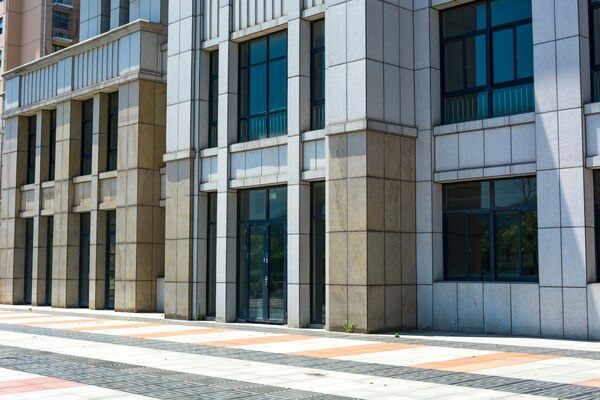
Resilient wood construction is transforming how American cities grow upward. Far from the image of fragile, combustible lumber, today’s mass timber buildings demonstrate that wood—engineered, tested, and intelligently detailed—can compete with concrete and steel on strength, safety, and longevity, while dramatically cutting carbon footprints. The emerging language of “Timberline Architecture” captures this shift: skylines that express structural wood as a primary, proud material rather than hiding it behind cladding and drywall.
Below is how this new architectural paradigm is redefining American skylines—technically, environmentally, urbanistically, and culturally.
From Stick Framing to Engineered Timber
Traditional wood construction in the United States largely meant light wood framing: studs, joists, and rafters assembled on site. It’s economical but limited in height and robustness, and especially vulnerable to fire during construction.
Timberline Architecture is driven by a different family of products collectively known as mass timber:
- Cross-Laminated Timber (CLT)
Large panels made by gluing layers of lumber at right angles. CLT acts as a two-way structural plate, ideal for floors, roofs, and shear walls.
- Glue-Laminated Timber (Glulam)
Laminated beams and columns engineered to carry high loads and span long distances. Glulam often replaces steel girders in timber structures.
- Nail-Laminated Timber (NLT) and Dowel-Laminated Timber (DLT)
Panels formed by fastening dimensional lumber together with nails or dowels. They offer robust spanning capacity and a warm, expressive ceiling finish.
- Mass Plywood Panels (MPP)
Engineered from thin veneer layers, MPP panels can be optimized for strength with less raw material than some solid-sawn systems.
These materials enable taller, stiffer, and more fire-resilient wood buildings, opening the door to mid- and high-rise typologies once reserved for concrete and steel.
New Codes, New Heights
Timberline Architecture would be impossible without a parallel evolution in building codes and fire science.
The 2021 International Building Code (IBC), now being adopted across many U.S. jurisdictions, introduced new timber construction types—Type IV-A, IV-B, and IV-C—that allow significantly taller mass timber buildings:
- Up to 18 stories for many residential and office uses (and with some state-specific approvals, even higher).
- Stringent fire-resistance requirements, often 2 to 3 hours for primary structural elements.
- Prescriptive and performance-based pathways that integrate mass timber into mainstream design practice.
This regulatory shift recognizes something that may seem counterintuitive: large, engineered wood elements can actually perform predictably and safely in fire. When exposed, mass timber chars on the surface, creating an insulating layer that protects the interior of the member—unlike light wood framing or unprotected steel, which can fail more suddenly. With careful detailing, sprinklers, and compartmentation, mass timber can satisfy the same life-safety benchmarks as conventional high-rise materials.
Structural Resilience: Wood Under Load
Resilience begins with structural performance. The notion that wood is inherently weak is a relic of smaller, sawn members and outdated construction standards.
Mass timber buildings achieve resilience through:
- High Strength-to-Weight Ratio
Timber is strong relative to its weight. A lighter building imposes lower seismic demands on its foundation and lateral systems, which can translate into better seismic performance and lower damage in an earthquake.
- Engineered Load Paths
Glulam columns and beams, coupled with CLT or MPP floor plates, create clear, redundant load paths. When combined with steel connectors, these frames can behave in a ductile, predictable manner under extreme loads.
- Hybrid Systems Where Needed
Many tall timber projects use composite solutions—steel cores, concrete podiums, or CLT floors with concrete topping—balancing the benefits of each material. Timberline Architecture is not “wood at all costs,” but “wood where it works best.”
- Precision Prefabrication
Factory-cut components fit tightly and consistently, reducing on-site errors that can compromise performance. CNC milling allows exact openings for services, connection tolerances, and integrated hardware.
The result is a structural system that can be modeled, tested, and fine-tuned to meet or exceed the reliability expectations of modern high-rise construction.
Fire, Durability, and Long-Term Safety
The critical question for any tall wood building remains: Is it safe? Modern timber design approaches this with layered strategies.
Fire Performance
- Charring Behavior
Mass timber elements are deliberately oversized so that even after a defined char layer forms in a fire, a sufficient structural core remains intact for the required duration.
- Encapsulation and Protection
In more stringent building types, code requires layers of gypsum board or other materials to delay ignition and limit exposed timber. Where exposure is allowed, detailing controls how much wood is visible in a given space.
- Active Systems
Automatic sprinklers, fire alarm systems, and smoke control strategies are integral, just as in conventional high-rise design.
- Rigorous Testing
Full-scale compartment fire tests for mass timber structures have demonstrated that with correct detailing and suppression, fires can self-extinguish without progressive structural failure or uncontrolled re-ignition.
Durability and Moisture Control
Concerns about rot, mold, and long-term degradation are addressed through:
- Robust Building Envelopes
High-performance air and vapor control layers keep bulk water out and mitigate condensation risks.
- Drying Pathways
Assemblies are designed to dry if they do get wet, avoiding trapped moisture within timber elements.
- Construction-Phase Protection
Temporary roofing, sequencing, and off-site fabrication minimize exposure to weather before the building is enclosed.
In this way, timber buildings are designed as durable, maintainable infrastructure—not temporary or disposable shells.
Thermal Comfort, Acoustics, and User Experience
Timberline Architecture isn’t just about structural performance; it is deeply concerned with how people experience buildings.
- Thermal Comfort
Wood’s lower thermal conductivity compared to steel and concrete means interior surfaces feel warmer to the touch, contributing to perceived comfort even at lower air temperatures.
- Acoustics
Mass timber’s stiffness can result in lively acoustics if left untreated. Resilient floor systems, acoustic mats, suspended ceilings, and damped connections address impact and airborne sound, enabling timber to meet the quiet expectations of offices, hotels, and housing.
- Biophilic Impact
Exposed wood surfaces have been associated with reduced stress, increased occupant satisfaction, and improved cognitive performance in emerging research on biophilic design. Timberline Architecture makes the structure itself part of the interior finish.
- Daylight and Spatial Warmth
Wood absorbs and diffuses light differently than concrete or metal, creating softer, more inviting interiors that can support well-being and long-term occupancy.
The combination of technical performance and human-centered qualities gives mass timber an edge in competitive office and residential markets.
Environmental Resilience: Carbon and Beyond
Resilient cities must also be climate-resilient. Here, timber’s environmental credentials are central.
Carbon Storage and Reduced Embodied Emissions
Trees absorb CO₂ as they grow. When harvested from sustainably managed forests and locked into buildings for decades or centuries, that carbon is effectively stored:
- Mass timber can displace carbon-intensive materials such as concrete and steel in slabs, beams, and columns.
- Life-cycle assessments often show significant reductions in embodied carbon, especially in the structure, which is one of the largest contributors to a building’s upfront emissions.
- Well-managed forests can regenerate, turning timber construction into part of a renewable, circular material stream—if policy and practice align.
Operational Performance
Timber buildings often integrate:
- High-performance envelopes that minimize heating and cooling loads.
- Passive strategies such as daylight-focused layouts and natural ventilation where climate allows.
- Mechanical systems sized for efficient operation, leveraging the inherent thermal advantages of lighter structures.
By addressing both operational and embodied carbon, Timberline Architecture contributes meaningfully to cities’ climate goals.
Urban Form: Redefining the American Skyline
Timberline Architecture doesn’t just change what buildings are made of; it changes how cities look and feel.
A New Visual Language
- Vertically Expressed Grids
Rhythms of glulam columns and beams are legible on facades and within interiors, creating a clear visual order and depth.
- Translucent and Lightweight Appearances
Compared to heavy, opaque concrete towers, timber structures can feel lighter and more refined, especially when paired with glass and slender metal components.
- Warmth at the Skyline Scale
At night, illuminated timber interiors radiate a distinct warmth through their skins, giving city silhouettes a new texture.
Humanizing Density
Tall timber offers a counterpoint to anonymous glass-and-steel towers:
- Neighborhood Identity
Distinctive timber buildings can anchor cultural or creative districts, distinguishing one skyline from another.
- Ground-Level Engagement
Exposed wood at street level softens the interface between building and public realm, inviting people in and making large structures feel less imposing.
- Adaptive Reuse and Hybridization
Timber additions atop existing masonry or concrete buildings enable increased density without complete demolition, supporting incremental, lower-carbon urban change.
As more mass timber projects rise, American skylines are gaining a new architectural stratum—one where ecological narratives, regional wood species, and crafted joinery become part of the city’s visual identity.
Economic and Construction Advantages
Developers are drawn to timber for more than aesthetics and sustainability.
- Construction Speed
Prefabricated panels and components can significantly reduce on-site construction schedules. Faster enclosure lowers financing costs and speeds occupancy.
- Reduced On-Site Labor Complexity
Much of the cutting and coordination of penetrations happen in the factory, simplifying assembly into a “kit-of-parts” process.
- Lean Foundations
Because timber buildings are lighter, foundation systems can often be smaller or less complex, which is especially valuable on difficult urban sites.
- Market Differentiation
Tenants increasingly seek sustainable, wellness-oriented workplaces and homes. Mass timber delivers a tangible story and experience tied to those values.
These advantages can offset higher material costs, particularly in markets where labor and time carry premium value.
Case Studies in Timberline Thinking (Conceptual Overview)
Across the United States, real and proposed projects illustrate different facets of Timberline Architecture:
- Office Towers with Exposed Structural Grids
Multi-story timber offices in cities like Portland, Minneapolis, and Atlanta showcase exposed ceilings, where CLT floor plates become both structure and finish, and glulam frames articulate open-plan workspaces.
- Hybrid Residential High-Rises
Projects that combine concrete podiums with timber superstructures demonstrate how wood can be layered onto existing urban systems while maintaining robust cores, amenity decks, and retail frontages.
- Institutional and Civic Hubs
Universities and civic bodies are investing in timber libraries, innovation centers, and academic buildings, using wood to symbolize transparency, stewardship, and a future-oriented identity.
Collectively, these projects demonstrate that timber is not a niche novelty; it is a versatile system applied to mainstream building types.
Challenges and Future Directions
Timberline Architecture is still emerging and must navigate real constraints:
- Supply and Forestry Practices
Scaling up mass timber needs careful coordination with forestry policy to ensure biodiversity, long-term forest health, and equitable rural economies.
- Knowledge Gaps
Not all design teams, contractors, and code officials are experienced with tall timber. Training, research, and clear guidelines are essential to avoid missteps.
- Insurance and Perception
Insurers and lenders may be cautious about unfamiliar building types. Data from built projects, standardized testing, and transparent performance metrics will be critical.
- Standardization vs. Craft
Balancing efficient, standardized components with the architectural richness that wood can offer will define the character of future timber skylines.
Looking forward, we can expect:
- More hybrid structural systems that combine wood, steel, and concrete with high precision.
- Integration with modular construction, where entire volumetric units are built in timber and stacked on site.
- Parametric design tools that optimize material use, daylight, and structural performance simultaneously, tailored to timber’s specific properties.
Conclusion: A New Timber Horizon
Resilient wood construction is not a nostalgic return to old building habits; it is a technologically advanced, deeply intentional rethinking of how cities can grow. Timberline Architecture uses engineered wood as a structural, environmental, and cultural asset—one that can:
- Meet demanding safety and performance standards.
- Support low-carbon, climate-conscious development.
- Humanize tall buildings through warmth, texture, and biophilic design.
- Give American skylines a new, distinctive identity rooted in living landscapes rather than extractive industries alone.
As more cities adopt mass timber and as codes, supply chains, and design expertise mature, the outline of a new skyline is coming into focus: one where the timberline doesn’t stop at the forest’s edge, but rises into the vertical fabric of the American city.